
Understanding the psychological triggers that enhance gambling behavior in casinos
The Allure of Near Misses
One of the most intriguing psychological triggers in gambling is the concept of the “near miss.” A near miss occurs when a player almost wins, such as landing two out of three matching symbols on a slot machine. This close call can evoke feelings of excitement and hope, leading players to believe that they are “on the verge” of winning. Research suggests that near misses can be more motivating than actual wins, as they create a false sense of control and enhance the emotional investment in the game. In seeking that thrill, many players might explore the best no kyc crypto casino options available to enjoy seamless transactions.

This phenomenon is not merely a coincidence; it’s deeply rooted in behavioral psychology. The brain releases dopamine, a neurotransmitter associated with pleasure and reward, in response to near misses. This chemical response can keep players engaged longer than they initially intended, often leading to increased betting to “chase” that elusive win. Casinos exploit this by designing games that maximize the occurrence of near misses, thereby enhancing overall gambling behavior.
Furthermore, near misses can skew players’ perception of their success. Instead of viewing their losses objectively, players often fixate on their close calls, interpreting them as signs of potential victory. This cognitive bias can lead to irrational decision-making, resulting in more significant losses over time as players continue to gamble in hopes of achieving that “next win.”
The Role of Environmental Cues
Casinos are designed with a myriad of environmental cues that enhance gambling behavior. From the bright lights and sounds of slot machines to the luxurious décor and even the scents used in the air, every element is crafted to create a stimulating atmosphere. These environmental stimuli can trigger emotional responses that lead to increased gambling activity. For instance, the sounds of coins clinking and machines ringing can create a sense of euphoria, encouraging players to engage more deeply with their gambling experience.
The concept of “immersive environments” also plays a crucial role in gambling psychology. By creating an atmosphere that feels exciting and rewarding, casinos can effectively keep players inside for longer periods. The distractions of the casino environment can diminish a player’s ability to make rational decisions, causing them to spend more than they initially planned. This aspect of casino design is not coincidental; it’s the result of extensive research into human behavior and psychology.
Moreover, the presence of other gamblers can act as a powerful social trigger. Seeing others win can invoke a sense of competitiveness or community, motivating individuals to join in and gamble themselves. This social reinforcement, combined with the sensory overload of the casino, leads to an environment that is hard to resist, thereby escalating gambling behavior significantly.
The Illusion of Control
The illusion of control is another psychological trigger that enhances gambling behavior. Many players believe they can influence the outcome of random games, such as dice or card games, based on their decisions. This belief can stem from personal experiences of winning or from popular myths about lucky charms and strategies. The perception that skill or strategy can improve the odds makes gambling more appealing and can lead to increased participation.
This illusion is particularly powerful in games where players can make choices, such as poker or blackjack. The ability to make strategic decisions can reinforce the notion that skill plays a significant role in determining success. Consequently, players may continue gambling, confident that their skills will eventually lead to favorable outcomes, despite the inherent randomness of these games.
Additionally, the illusion of control can create a sense of empowerment among players. Feeling that they can affect their fortune enhances the excitement of gambling, encouraging individuals to bet larger amounts or play for longer periods. This psychological tendency is often exploited in marketing strategies, where casinos may promote certain games as skill-based, even when they are predominantly luck-driven.
The Impact of Loss Aversion
Loss aversion, a principle from behavioral economics, significantly influences gambling behavior. This psychological trigger suggests that individuals tend to prefer avoiding losses over acquiring equivalent gains. In the context of gambling, this means that players are more motivated to continue betting in hopes of recouping losses rather than enjoying potential wins. This drive to avoid loss can lead to dangerous gambling patterns, where players chase their losses rather than rationally assessing their situation.
The emotional turmoil associated with losing money can create a heightened state of urgency, compelling gamblers to continue playing even when it is not in their best interest. Many gamblers may increase their bets in an attempt to recover lost funds, leading to a cycle of losses that can escalate dramatically. This phenomenon is particularly evident in games with high variance, where significant losses can occur rapidly.
Furthermore, casinos often implement strategies that capitalize on loss aversion. For instance, providing players with small “loss rebates” or bonuses can create the illusion of winning back lost money, even when the player is still at a loss overall. This strategy effectively prolongs gambling sessions and can exacerbate the tendency to chase losses, highlighting how the psychology of loss aversion is intricately woven into the fabric of the gambling experience.
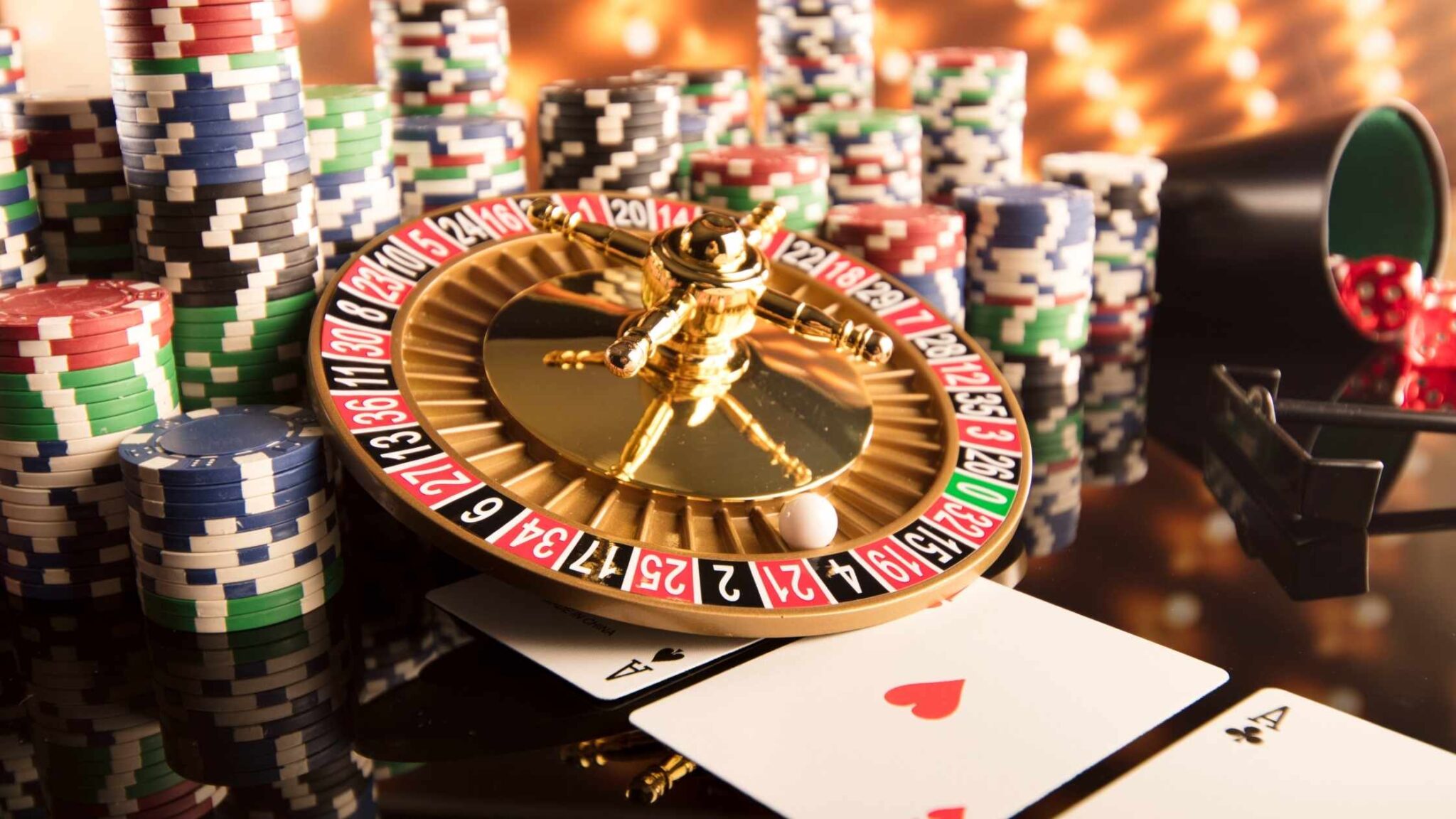
Exploring Online Gambling Experiences
As the gambling landscape evolves, so do the psychological triggers that enhance gambling behavior in online casinos. The convenience of accessing games from home can amplify the emotional engagement associated with gambling. Players may feel less pressure to leave a game and may gamble for extended periods, often leading to higher expenditures. Online casinos employ various strategies to create engaging platforms, including vibrant graphics, interactive features, and personalized promotions.
The anonymity of online gambling can also intensify certain psychological triggers. Without the social dynamics present in traditional casinos, players may feel freer to engage in riskier behavior. The absence of immediate social consequences can diminish self-regulation and increase impulsivity, prompting players to bet larger sums or partake in more games than they would in a physical setting.
Moreover, many online gambling platforms leverage data analytics to tailor user experiences. By understanding individual preferences and behaviors, casinos can create personalized gaming experiences that align with users’ psychological triggers. This tailored approach not only enhances engagement but also encourages prolonged gambling, making it essential for players to recognize the potential psychological influences at play when gambling online.