
Understanding the psychology behind risk in gambling decisions
The Nature of Risk in Gambling
Gambling inherently involves risk, which can be defined as the exposure to uncertainty regarding outcomes that can lead to loss or gain. This uncertainty is often what attracts individuals to gambling activities, as the thrill of potentially winning large sums of money can be exhilarating. Many players turn to various forms of gaming, including top rummy, to explore this excitement. Understanding the psychological aspects of risk helps illuminate why people engage in gambling despite the likelihood of negative outcomes.
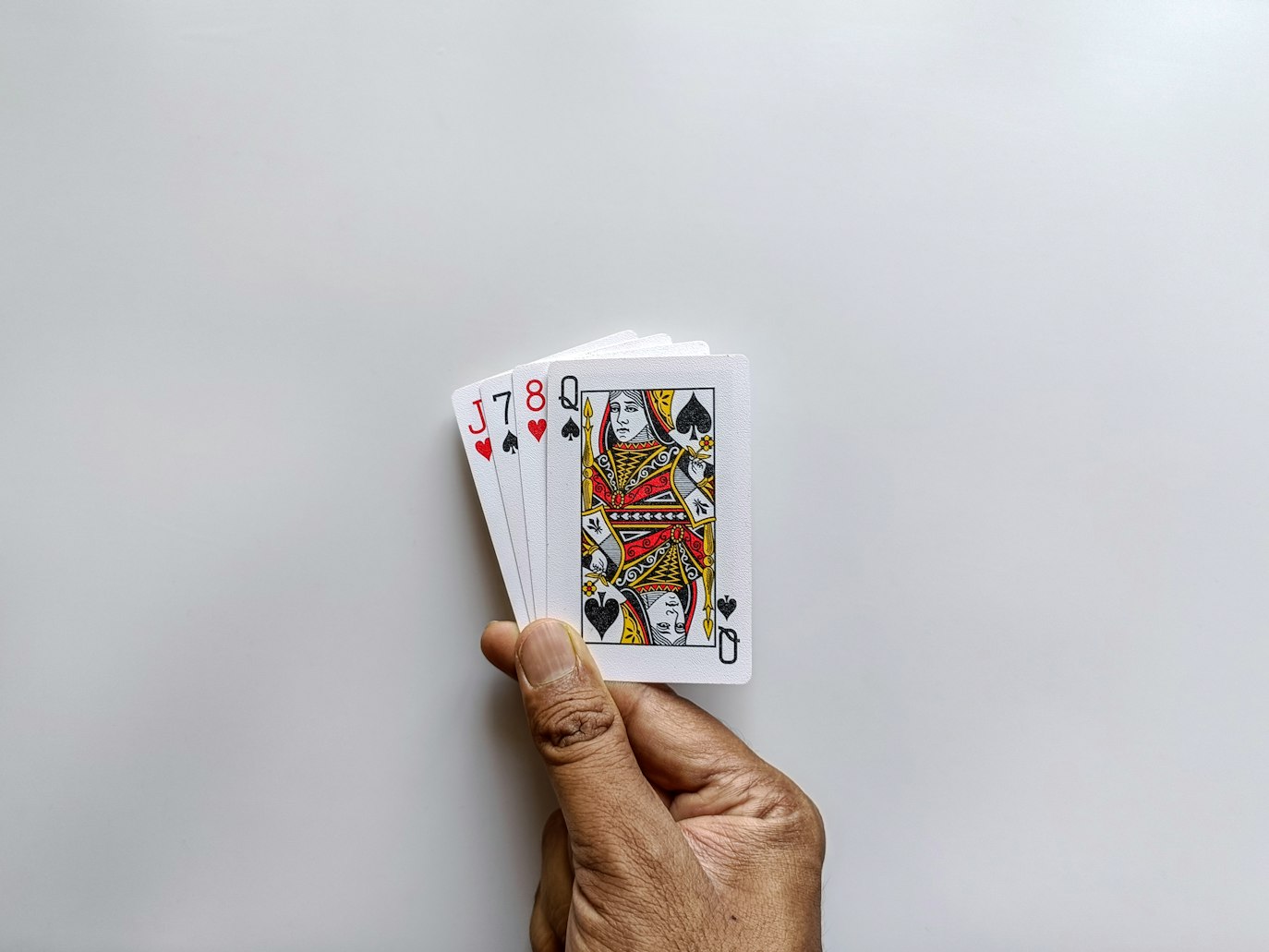
The excitement and anticipation associated with risk-taking behavior are deeply rooted in human psychology. Cognitive biases, such as the illusion of control, lead individuals to believe they can influence outcomes, even in games of chance. This belief can intensify the urge to gamble, as players feel a false sense of empowerment over their fate.
Numerous psychological factors play a significant role in shaping an individual’s gambling behavior. Emotions such as excitement, hope, and even desperation can cloud judgment, leading to irrational decisions. The concept of loss aversion, where the fear of losing is more impactful than the joy of winning, can drive gamblers to take greater risks in hopes of recouping losses.
Additionally, social influences can affect gambling decisions. Peer pressure and the desire for acceptance can motivate individuals to gamble, further complicating their risk assessments. The social environment surrounding gambling, whether it’s in casinos or online, can amplify the perception of risk and reward.
Cognitive biases significantly shape how gamblers perceive risk and reward. For instance, the gambler’s fallacy—a belief that past events influence future outcomes—can lead individuals to make poor decisions. This fallacy often manifests in scenarios like assuming a slot machine is “due” for a payout after a series of losses, which is a misunderstanding of random probability.
Confirmation bias also plays a crucial role; gamblers may remember their wins more vividly than their losses, reinforcing the illusion that they are more successful than they truly are. These biases can lead to increased risk-taking as individuals cling to the idea that they can beat the odds based on their previous experiences.
Managing risk in gambling requires self-awareness and understanding of one’s psychological tendencies. Players can benefit from establishing limits on time and money spent on gambling activities. This practice can help mitigate impulsive decisions driven by heightened emotions or cognitive biases. Moreover, seeking support from friends or counselors can provide accountability and reduce the temptation to chase losses.
Implementing strategies such as setting a budget, taking regular breaks, and engaging in other activities can shift focus away from gambling. By creating a balanced approach, individuals can enjoy the thrill of gambling while minimizing the psychological risks associated with impulsive decisions.

At Vungo, we provide a unique environment that encourages families and friends to gather, enjoy authentic Indian cuisine, and share experiences without the high stakes associated with gambling. Our inviting atmosphere is designed to foster connections and create lasting memories over delicious meals.
Our commitment to quality and customer satisfaction makes Vungo a perfect alternative for those seeking enjoyment in a safe, family-friendly setting. Join us to savor traditional Indian dishes crafted from the freshest ingredients, ensuring an experience that delights both the palate and the spirit.