
Exploring the historical evolution of gambling through the ages
Ancient Beginnings of Gambling
The history of gambling can be traced back to ancient civilizations, where games of chance played a significant role in society. Archaeological findings reveal that as early as 3000 BC, the Chinese were using rudimentary dice made from bone, paving the way for future gambling practices. Ancient Egyptians also participated in betting activities, utilizing various forms of gambling in their games, thus establishing a long-standing tradition of chance in human culture. Today, some individuals explore a variety of gaming options, including non gamstop casinos, showcasing how far the industry has evolved over time.

In addition to dice games, the ancient Greeks and Romans embraced gambling as a common pastime. The Greeks developed betting games that involved athletic competitions, while Roman soldiers often wagered on the outcomes of gladiatorial battles. This early connection between gambling and societal events illustrates how integral these activities were to social interaction and community bonding in ancient times.
Gambling in the Middle Ages
The Middle Ages marked a transitional period for gambling, as it began to take on more structured forms. With the rise of feudalism in Europe, games such as backgammon and various card games gained popularity among the nobility. These activities were often associated with courtly entertainment and the pursuit of leisure, reflecting the social hierarchies of the time. However, gambling was also viewed with suspicion, leading to fluctuating regulations and bans imposed by authorities.
This period also saw the emergence of gambling houses and the first instances of regulated gaming. The establishment of formal rules and betting systems contributed to the maturation of gambling as both a recreational activity and a source of income. Despite the restrictive laws that occasionally arose, gambling continued to flourish, laying the groundwork for modern gaming establishments.
The Rise of Modern Gambling
The 17th and 18th centuries ushered in a new era for gambling, marked by the birth of the modern casino. The first official casino, the Ridotto, opened in Venice in 1638, offering a controlled environment for various games of chance. This innovation not only provided a safe space for gamblers but also paved the way for a burgeoning industry that would spread throughout Europe and later to the Americas.
During this time, popular games such as roulette and blackjack were developed, attracting a wide array of participants from different social classes. The glamour associated with casinos contributed to their appeal, and gambling became synonymous with luxury and entertainment. The establishment of these venues signified a shift in societal attitudes toward gambling, as it began to be seen as an acceptable form of leisure rather than a vice.
The Gambling Boom of the 20th Century
The 20th century witnessed a dramatic transformation in the gambling landscape, driven by technological advancements and changing cultural attitudes. The introduction of slot machines and electronic gaming brought a new level of excitement to the industry. These innovations led to the rapid expansion of casinos, particularly in regions like Las Vegas, which became synonymous with extravagant gambling experiences.
Moreover, the legalization of gambling in various jurisdictions marked a significant turning point. Governments recognized the potential economic benefits of a regulated gambling industry, leading to increased tax revenue and job creation. This era also saw the rise of online gambling in the late 1990s, revolutionizing how players engage with games of chance and making gambling more accessible than ever before.
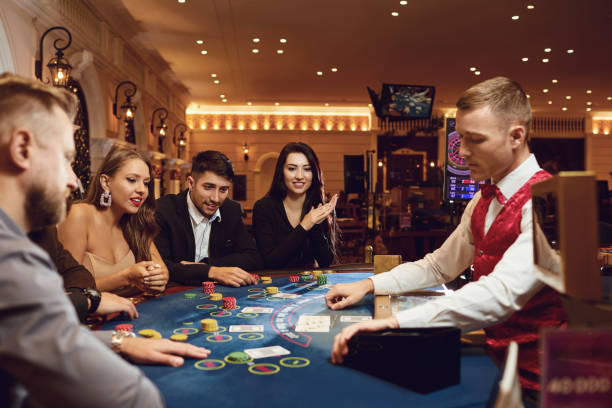
Promoting Balance in Gambling Practices
Understanding the historical evolution of gambling is essential in addressing contemporary challenges associated with the activity. Today, there is a growing awareness of the need for responsible gambling practices and the importance of maintaining a healthy balance between gaming and other aspects of life. Organizations are increasingly providing resources and support to help individuals navigate their gambling behaviors and promote well-being.
As society continues to grapple with the implications of gambling, it is crucial to reflect on its history and the lessons learned. By fostering awareness and encouraging responsible practices, individuals can enjoy the recreational aspects of gambling while mitigating potential risks, ensuring a balanced approach to this age-old pastime.